
What is Presbyopia: Causes, Symptoms, and Effective Treatments
As we age, changes in our vision are almost inevitable. One common condition that affects many adults over the age of 40 is presbyopia. While it may sound complex, understanding what presbyopia means, what causes presbyopia, and the available presbyopia treatments can help you take proactive steps to maintain clear, comfortable vision.
What Does Presbyopia Mean?
The term presbyopia comes from Greek, where "presbys" means old man and "opia" refers to vision. Essentially, presbyopia is the natural loss of your eye's ability to focus on nearby objects. Unlike nearsightedness or farsightedness, presbyopia is not caused by a defect in your eye but rather by the natural aging process.
People with presbyopia often find themselves holding reading materials at arm’s length, squinting to see fine print, or needing brighter lighting to perform close-up tasks. These early signs usually appear in your early to mid-40s, though the timeline can vary depending on genetics and overall eye health.
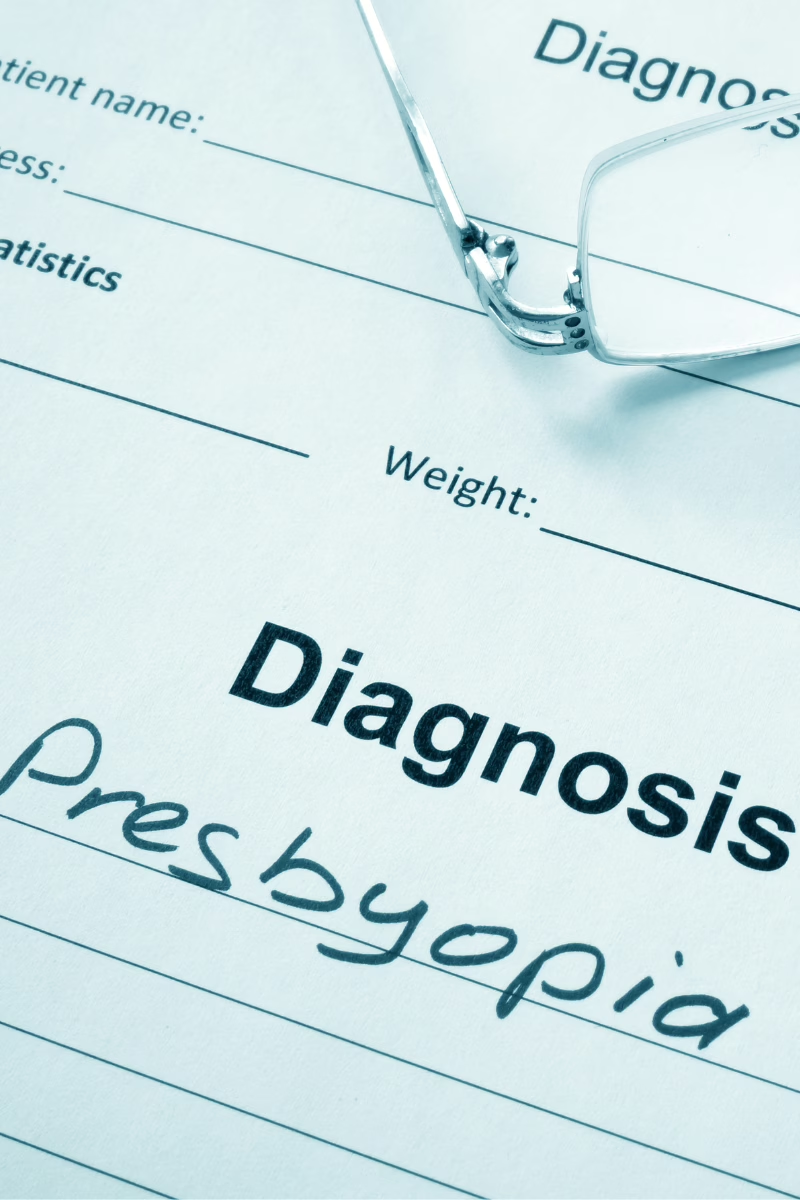
What Causes Presbyopia?
Understanding what causes presbyopia requires a look inside the eye. Your eye contains a flexible lens that changes shape to focus on objects at different distances. This process is called accommodation.
As we age, the lens gradually loses its flexibility, and the tiny muscles that help the lens change shape weaken. This stiffness makes it increasingly difficult to focus on close objects, leading to blurred near vision. Unlike other vision problems, presbyopia is a natural part of aging and cannot be prevented.
Certain factors can influence how early or severe presbyopia becomes, including:
Age
Aging is the most significant factor in the development of presbyopia. Typically, adults begin to notice difficulty focusing on close objects around age 40, and this gradually worsens over the next decade. This is a natural part of the aging process as the lens inside the eye slowly loses its flexibility, reducing its ability to change shape for near vision.
Genetics
Your family history can influence when presbyopia begins. Some people may experience symptoms earlier than the average due to inherited traits that affect the elasticity of the eye’s lens or the strength of the focusing muscles. If your parents or siblings developed presbyopia early, you may want to schedule regular eye exams sooner.
Health Conditions
Certain medical conditions can impact how your eyes age. For example, diabetes can affect the lens and reduce its elasticity, potentially accelerating presbyopia. Other conditions that influence overall eye health, such as high blood pressure or thyroid disorders, may also contribute to earlier or more severe symptoms. Managing these conditions can help slow the progression of vision changes.
Eye Surgery History
Previous eye surgeries, including LASIK or cataract procedures, can sometimes influence how quickly presbyopia develops. Some surgical techniques may slightly alter the lens or corneal shape, affecting the eye’s ability to focus on near objects. Discussing your surgical history with an eye care professional can help determine the best corrective options for presbyopia.
Symptoms of Presbyopia
Recognizing presbyopia early is key to managing it effectively and maintaining clear vision. The condition typically develops gradually, so you may not notice changes immediately. Common symptoms include:
Difficulty Reading Small Print
You may struggle with books, menus, labels, or smartphone screens. This occurs because the lens in your eye is losing flexibility, making it harder to focus on nearby objects.

Holding Reading Material at Arm’s Length
Many people instinctively hold items farther away to see clearly. This is your eye compensating for the reduced ability to focus up close, a hallmark sign of presbyopia.
Eye Strain or Headaches After Near Work
Activities like reading, sewing, or working on a computer for long periods can cause discomfort. The extra effort your eyes exert to focus on close objects can lead to fatigue, eye strain, or tension headaches.
Needing Brighter Lighting for Close Tasks
Dim lighting makes focusing more difficult, so you may find yourself needing stronger or more directed light to read or do detailed work. This is another common signal that near vision is declining.
Blurred Vision When Switching Focus
Some people notice temporary blurriness when moving between looking at something up close and something farther away. This is due to reduced lens accommodation, which normally allows your eyes to adjust focus quickly.
If these symptoms sound familiar, it may be time to consult an eye care professional. Early diagnosis helps you explore the most effective presbyopia treatments.
Presbyopia Treatments
While presbyopia is a natural part of aging, several treatments can help restore clear near vision and improve your quality of life. Here are the most common options:
1. Prescription Eyeglasses
The simplest and most common solution is prescription reading glasses or multifocal lenses. Multifocal glasses, such as bifocals or progressive lenses, allow your eyes to focus at different distances without constantly switching glasses.
2. Contact Lenses
For those who prefer not to wear glasses, multifocal contact lenses or monovision contacts are effective options. Monovision involves correcting one eye for distance and the other for near vision. An experienced optometrist can help determine the best approach for your vision needs.
3. Surgical Options
Modern surgical procedures offer permanent solutions for presbyopia. Laser eye surgery and lens implants can restore the eye’s focusing ability. Some procedures even combine cataract surgery with presbyopia correction, which is especially beneficial for patients approaching or experiencing cataracts.
4. Corneal Inlays
Corneal inlays are small devices implanted in the cornea to improve near vision. They work by reshaping the eye’s focusing power and can be a suitable alternative for patients not ready for lens replacement surgery.
When to See an Eye Specialist
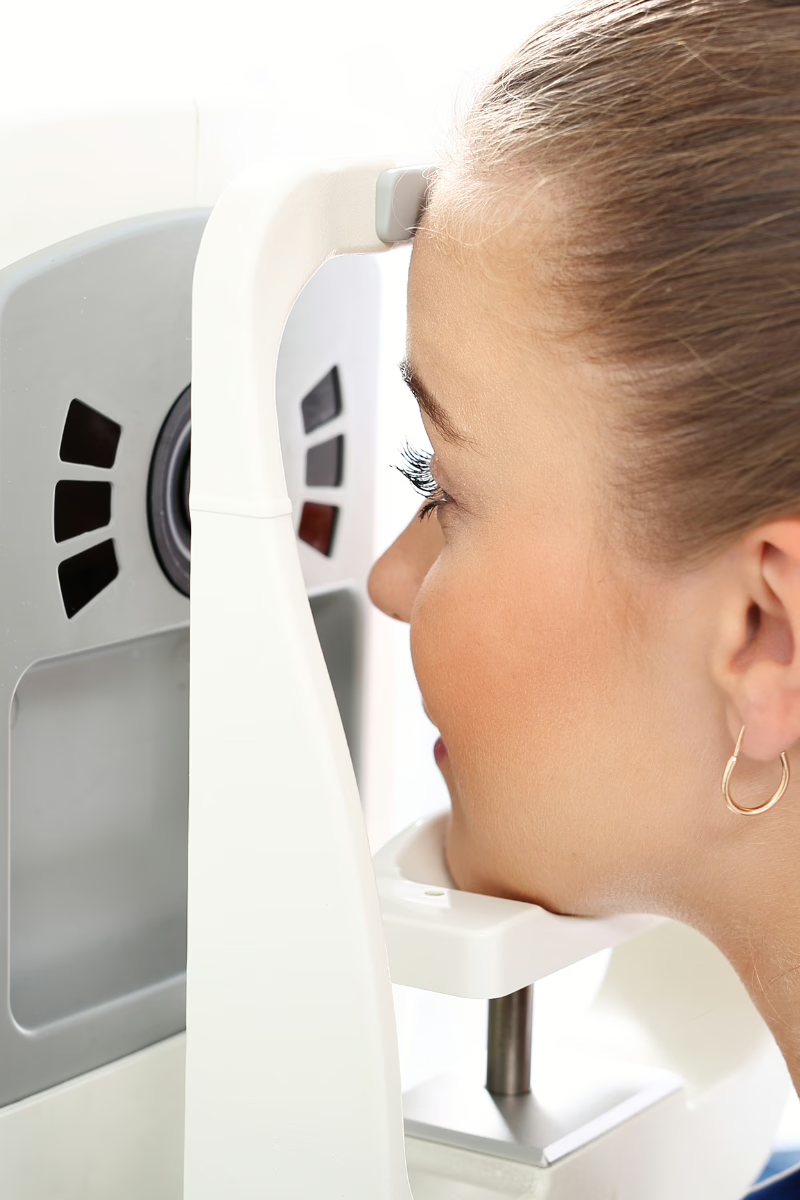
If you notice difficulty focusing on close objects, persistent eye strain, or headaches while reading, it’s time to consult an eye care professional. Regular eye exams help detect presbyopia early, monitor for cataracts, and ensure your vision remains healthy.
At MiVision, our specialists are experienced in diagnosing and treating presbyopia using advanced, personalized approaches. We take the time to understand your lifestyle and vision needs, offering solutions ranging from glasses and contacts to surgical options that can significantly improve your quality of life.
Conclusion
Presbyopia is a natural part of aging, and understanding what it means, what causes it, and the available treatments can help you take control of your vision. While glasses and contacts may offer temporary relief, the most effective solutions are personalized and may involve advanced procedures—especially when presbyopia occurs alongside age-related conditions like cataracts. Regular eye exams are essential to monitor both conditions and ensure timely care.
If you’re experiencing symptoms or want to explore treatment options, booking a consultation with MiVision is the best first step. Our eye doctor uses the latest technology to provide personalized care, offering advanced cataract surgery options that help patients achieve clearer, more comfortable vision.