
Dry, Burning, or Gritty Eyes
Causes & Relief
Dry, Burning, or Gritty Eyes
Causes & Relief
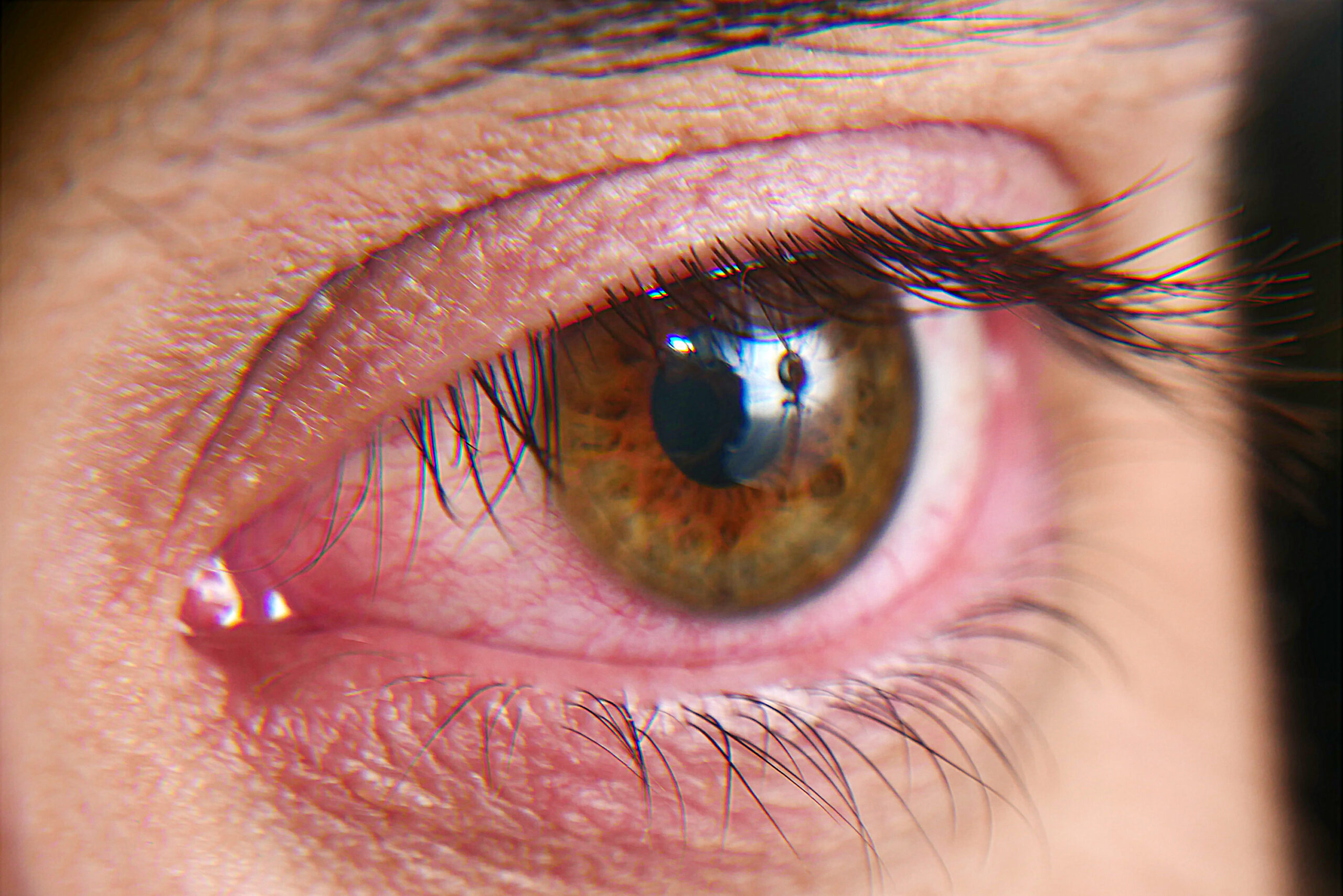
Dryness, burning, or a gritty “sand in the eyes” sensation is extremely common. These symptoms often worsen with screen use, wind exposure, allergies, or aging. Thankfully, most causes are treatable — and early treatment can significantly improve comfort and vision clarity.
MiVision offers dedicated dry eye evaluations and Saginaw Office.
Common Causes of Dry, Burning, or Gritty Eyes
Dry Eye Syndrome (Tear Film Instability)
- The tear film becomes thin or breaks up quickly, causing burning or irritation.
- Symptoms often worsen throughout the day or during screen time.
Learn more: Dry Eye Treatment
Meibomian Gland Dysfunction (MGD)
- Oil glands in the eyelids become blocked or inflamed.
- Causes burning, stinging, morning irritation, and gritty sensation.
Environmental Irritation
- Wind, low humidity, smoking, fans, or air vents worsen dryness and irritation.
- Symptoms improve with environmental changes.
Allergies
- Itching, burning, mucus, or watery eyes accompany gritty dryness.
- Allergic inflammation affects the tear film.
Contact Lens Wear
- Soft lenses can absorb tears and irritate the cornea.
- Burning often improves when lenses are removed.
Screen Use / Reduced Blinking
- Long periods on computers or phones decrease blinking, causing dryness and stinging.
Age-Related Changes
- Tear production decreases with age.
- Symptoms are very common after 40–50.
Systemic Conditions
- Autoimmune conditions such as Sjögren’s can cause severe dryness.
- Diabetes may contribute as well.
Learn more: Diabetic Eye Care
External reference: AAO Dry Eye
When to Schedule an Eye Exam
You should be evaluated if you experience:
-
Burning or gritty sensation daily
-
Frequent tearing (yes — tearing can mean dryness!)
-
Sensitivity to wind or air vents
-
Blurred or fluctuating vision
-
Eye fatigue with screen use
-
Pain, redness, or light sensitivity
If dryness is affecting night driving, also see: Night Driving Difficulty
How MiVision Evaluates Dry Eye Symptoms
Your visit may include:
-
Tear breakup time testing
-
Evaluation of tear quantity and quality
-
Meibomian gland exam
-
Eyelid margin and inflammation assessment
-
Screening for allergy or systemic conditions
-
Vision and corneal surface evaluation
Treatment Options
- Lubricating or Hydrating Eye Drops
- Helps restore moisture and reduce burning.
- Preservative-free options are often recommended.
- Prescription Dry Eye Medications
- Reduce inflammation contributing to dryness.
- Improve long-term tear production.
Learn more: Dry Eye Treatment
- Warm Compresses & Eyelid Therapy for MGD
- Helps unclog oil glands and improve tear stability.
- Often reduces burning and gritty sensations.
- Lifestyle or Environmental Changes
- Increase blinking during screen use.
- Adjust air vents, humidifiers, or contact lens habits.
- In-Office Dry Eye Treatments
- Procedures that improve tear film function and comfort.
Learn more: Dry Eye Treatment
- Procedures that improve tear film function and comfort.
- Addressing Underlying Conditions
- Allergy control, systemic treatment, or diabetic management may reduce symptoms.
Learn more: Diabetic Eye Care
- Allergy control, systemic treatment, or diabetic management may reduce symptoms.
Screen use reduces blinking, worsening dryness.
Yes — an unstable tear film can cause fluctuating clarity.
Reflex tearing happens when the surface is irritated.
Symptoms are chronic but very manageable with proper treatment.
Schedule Your Evaluation Today!
Dr. Mihlstin and our experienced team offer advanced care, close to home. Call 989-321-2655, book online or contact us below.