
Macular
Degeneration
Macular
Degeneration
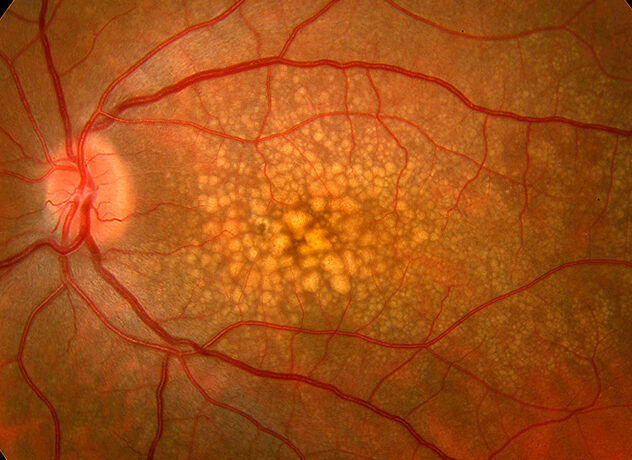
What is a Macular Degeneration?
Macular degeneration is an eye disease that affects your central vision. It happens when the macula — a small but important part of the retina — gets damaged over time. The macula helps you see fine details clearly, like faces, text, or road signs.
There are two main types:
- Dry macular degeneration: This is the most common form. It develops slowly as the macula thins with age.
- Wet macular degeneration: Less common, but more serious. It happens when abnormal blood vessels grow under the retina and leak fluid or blood, causing rapid vision loss.
At our practice, patients with macular degeneration receive specialized care and frequent monitoring. Dr. Melanie Mihlstin, M.D., a board-certified ophthalmologist who has performed thousands of retinal injections.
What is Dry Macular Degeneration?
Dry macular degeneration is the most common form of age-related macular degeneration (AMD). It causes slow, gradual vision loss in the center of your vision — the part you use to read, drive, and see faces.
What is Wet Macular Degeneration?
Wet macular degeneration is a less common but more serious form of age-related macular degeneration (AMD). It can cause sudden and severe central vision loss.
It happens when abnormal blood vessels grow under the retina and leak fluid or blood. This damages the macula — the part of the retina responsible for sharp, central vision.
Symptoms of Wet AMD
Wet AMD often starts quickly and worsens fast. You might notice:
- A blurry or dark spot in the center of your vision
- Straight lines that appear wavy or bent
- Colors that seem dull or washed out
- Trouble reading, recognizing faces, or driving
- Rapid worsening of vision in one or both eyes
Peripheral (side) vision usually stays intact.
What Causes it?
Wet AMD usually develops from dry AMD when abnormal blood vessels begin to grow under the retina. These fragile vessels leak, leading to scarring and damage to the macula.
Who's at Risk?
- People with dry AMD
- Age 50 and older
- Smokers
- Those with high blood pressure, heart disease, or high cholesterol
- People with a family history of AMD
Is There a Treatment?
Yes — and early treatment is critical to save your vision.
Common treatments include:
- Anti-VEGF injections: Medications injected directly into the eye to stop new blood vessel growth and reduce leakage.
- Photodynamic therapy (rare): A light-sensitive drug is activated with a laser to destroy abnormal vessels.
These treatments don’t cure wet AMD but can slow or stop vision loss, and in some cases, improve vision.
What Can I Expect If I Need a Retinal Injection?
Before the Injection
Numbing the eye: They’ll use anesthetic drops or a small injection to numb your eye. You might feel pressure, but not pain.
Cleaning: The area around your eye is cleaned to reduce the risk of infection.
Eyelid opener: A small device might be used to keep your eyelid open and still.
During the Injection
Quick and precise: The injection takes just a few seconds. It’s done with a fine needle.
Pressure or a slight sting: You might feel some pressure or a quick pinch, but many people say it’s less painful than expected.
You might see floaters or flashes: These are common and usually temporary.
After the Injection
Blurry vision: Your vision might be blurry for a few hours afterward.
Mild discomfort: Your eye may feel gritty or irritated for a day or two.
Redness or small bleed spot: A small red spot where the needle went in is normal and fades.
Floaters: You may see bubbles or dark spots for a few days.
Post Injection Instructions
Please follow these instructions after eye injections:
- Do not rub your eye after treatment
- For relief of mild to moderate pain or irritation, an over-the-counter pain reliever (i.e. Tylenol) or cool compress/ice pack can be used
- A new bottle of artificial tears/lubricating drops can be used
- No swimming or contact lens wear for 2 days
- It is okay to shower and wash your face. Keep eyes closed to avoid dirty water in the eyes.
- Please continue medicated eye drops as previously prescribed
The following symptoms are COMMON after successful eye injections for a day or so:
- Blurry vision
- Tearing
- Mild floaters or bubbles in your vision
- Mild to moderate discomfort or irritation
- Gritty, “Eyelash in the eye” sensation
- Redness (sometimes this can cover the entire white part of the eye and last a few weeks)
- Bloody tears for 1 - 2 days after treatment
The following symptoms are NOT NORMAL after eye injections, and you should call our office immediately if you experience:
- Severe, constant pain
- Worsening pain after the first day
- Significant decrease in vision
- Severe increase in floaters
- Curtain or veil in your vision
How Do I Monitor for Changes?
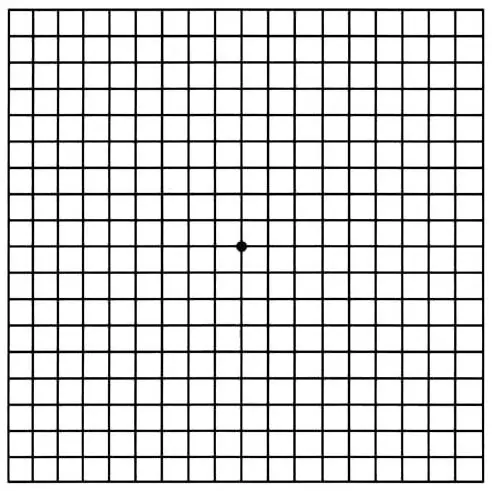
The Amsler grid is a simple square containing a grid pattern and a dot in the middle. When used correctly—once a day, every day—the Amsler grid can show problem spots in your field of vision.
How do I use an Amsler grid?
To use the Amsler grid, follow these steps once a day, every day:
- Wear glasses you normally use to read, hold the grid 12 to 15 inches away from your face.
- Only use with a good light source.
- Cover one eye.
- Look directly at the center dot with your uncovered eye and keep your eye focused on it.
- While looking directly at the center dot, notice in your side vision if all grid lines look straight or if any lines or areas look blurry, wavy, dark or blank.
- Follow the same steps with the other eye.
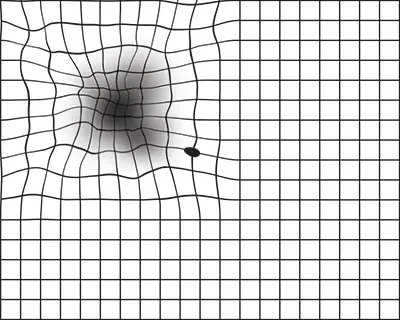
How do I use an Amsler grid?
To use the Amsler grid, follow these steps once a day, every day:
- Wear glasses you normally use to read, hold the grid 12 to 15 inches away from your face.
- Only use with a good light source.
- Cover one eye.
- Look directly at the center dot with your uncovered eye and keep your eye focused on it.
- While looking directly at the center dot, notice in your side vision if all grid lines look straight or if any lines or areas look blurry, wavy, dark or blank.
- Follow the same steps with the other eye.
Other Patient Resources
Protect Your Vision!
If you’re at risk for glaucoma or have been diagnosed with the condition, regular monitoring and timely treatment are key to preserving your sight. Contact our office today to schedule a glaucoma evaluation.