
Struggling to See While Driving at Night?
You’re Not Alone — and It’s Treatable.
Struggling to See While Driving at Night?
You’re Not Alone — and It’s Treatable.
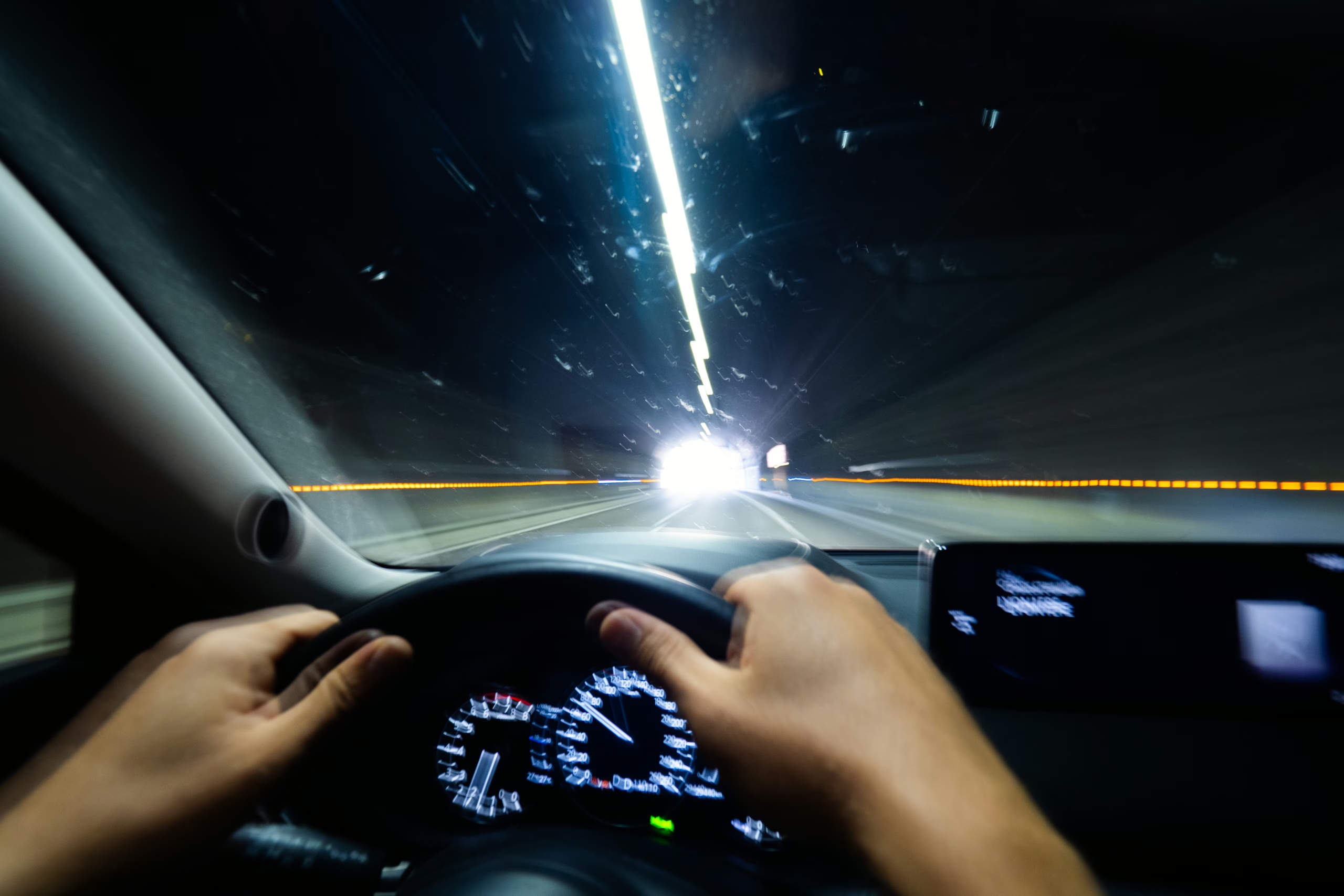
If driving at night has become stressful, blurry, or uncomfortable, you’re experiencing a very common symptom called night vision difficulty.
Many people describe:
-
Halos around headlights
-
Starbursts around stoplights
-
Glare from oncoming traffic
-
Needing to slow down to feel safe
-
Feeling uncomfortable driving in rain or darkness
-
Blurry signs or dim vision after sunset
Night vision problems often have treatable causes, and the right evaluation can help you feel confident and safe behind the wheel again.
MiVision offers same-week appointments for patients experiencing night driving difficulty in our Saginaw Office.
What Causes Night Vision Problems?
1️⃣ Cataracts
One of the earliest signs of cataracts is worsening night glare, even before daytime vision feels affected.
- Learn more on our Cataract Surgery
- Mayo Clinic — Cataracts overview
2️⃣ Dry Eye Syndrome
Dry eye causes light scatter and fluctuating clarity, especially when headlights reflect off an unstable tear film.
3️⃣ Changing Prescription or Astigmatism
Even small uncorrected refractive errors can cause:
- halos
- streaks
- starbursts
- reduced contrast sensitivity
Vision changes after 40 may require updated glasses or refractive correction like LASIK, PRK, or EVO ICL.
4️⃣ Early Eye Disease
Night vision problems may indicate early:
- Diabetic eye changes
- Glaucoma
- Retinal disorders
- Vitamin A deficiency
5️⃣ Floaters or Flashes
These may signal changes to the vitreous or retina. If night symptoms include flashes of light, schedule promptly.
- Learn more » Floaters & Flashes
When to Seek Care Immediately
Call us or seek urgent care if you experience:
-
Sudden decrease in night vision
-
A “curtain” or shadow in vision
-
New flashes or many new floaters
-
Significant pain or pressure in the eye
-
Night vision rapidly worsening over weeks
MiVision offers urgent same-day evaluations when needed.
How MiVision Evaluates Night Vision Problems
Your exam may include:
-
Dilated cataract evaluation
-
Retinal imaging (OCT)
-
Tear film testing for dry eye
-
Glare disability testing
-
Prescription refinement
-
Intraocular pressure testing
We use advanced diagnostics to pinpoint the specific cause so treatment is fast, effective, and tailored to you.
Treatment Options
1️⃣ Updated Glasses or Contact Lens Prescription
- Even small changes in your prescription can greatly improve clarity and contrast at night. Correcting nearsightedness, farsightedness, or astigmatism often reduces glare and halos.
2️⃣ Astigmatism Correction
- Astigmatism scatters light and creates streaks or halos.Treatment options include updated glasses, toric contact lenses, or refractive procedures such as LASIK, PRK, or EVO ICL. We’ll determine which option is appropriate based on your eye shape and visual goals.
3️⃣ Dry Eye Treatment
- Dry eye is one of the most common contributors to glare, fluctuating vision, and discomfort while driving at night.Treatment may include artificial tears, prescription medications, warm compresses, punctal plugs, or in-office therapies to improve tear stability.
- Learn more: Dry Eye Treatment
4️⃣ Cataract Surgery
- Early cataracts often cause glare, halos, and difficulty seeing road signs at night.If cataracts are the main cause of your symptoms, surgery can restore sharper, clearer night vision. Many patients notice significant improvement within days.
- Learn more:
5️⃣ Medical Treatment for Eye Disease
- If night vision problems are related to another condition—such as diabetic eye disease, glaucoma, or a retinal disorder—treatment may include medications, laser procedures, or closer monitoring. Early detection is key to protecting long-term vision.
- Learn more:
How soon will treatment improve my night driving?
Many patients notice improvement within days to weeks, depending on the cause.
Schedule a Night Vision Evaluation
If night driving feels stressful, dim, or uncomfortable, you don’t have to struggle with it.
MiVision offers:
-
Same-week appointments
-
State-of-the-art diagnostics
-
Surgeon-led care
-
A warm, patient-centered experience
👉 Call 989-321-2655 or request an appointment today to find out what’s causing your night vision changes — and how we can help.
After age 40, contrast sensitivity decreases and cataracts begin forming. Small changes can cause big differences in nighttime clarity.
Occasional halos can be normal, but persistent halos often suggest refractive error, dry eye, or early cataracts. A full exam can determine the cause.
Yes. Many patients feel they “see fine during the day” but struggle at night long before cataracts are obvious on the chart.
Possibly. While most causes are treatable, sudden night vision loss can indicate retinal, glaucoma, or neurological issues. If symptoms are new or worsening, schedule promptly.
Schedule Your Evaluation Today!
Dr. Mihlstin and our experienced team offer advanced care, close to home. Call 989-321-2655, book online or contact us below.