Why Night Driving Becomes Difficult
Why Night Driving Becomes Difficult
Schedule Your Evaluation Today!
Dr. Mihlstin and our experienced team offer advanced care, close to home. Call 989-321-2655, book online or contact us below.
(989) 321-2661

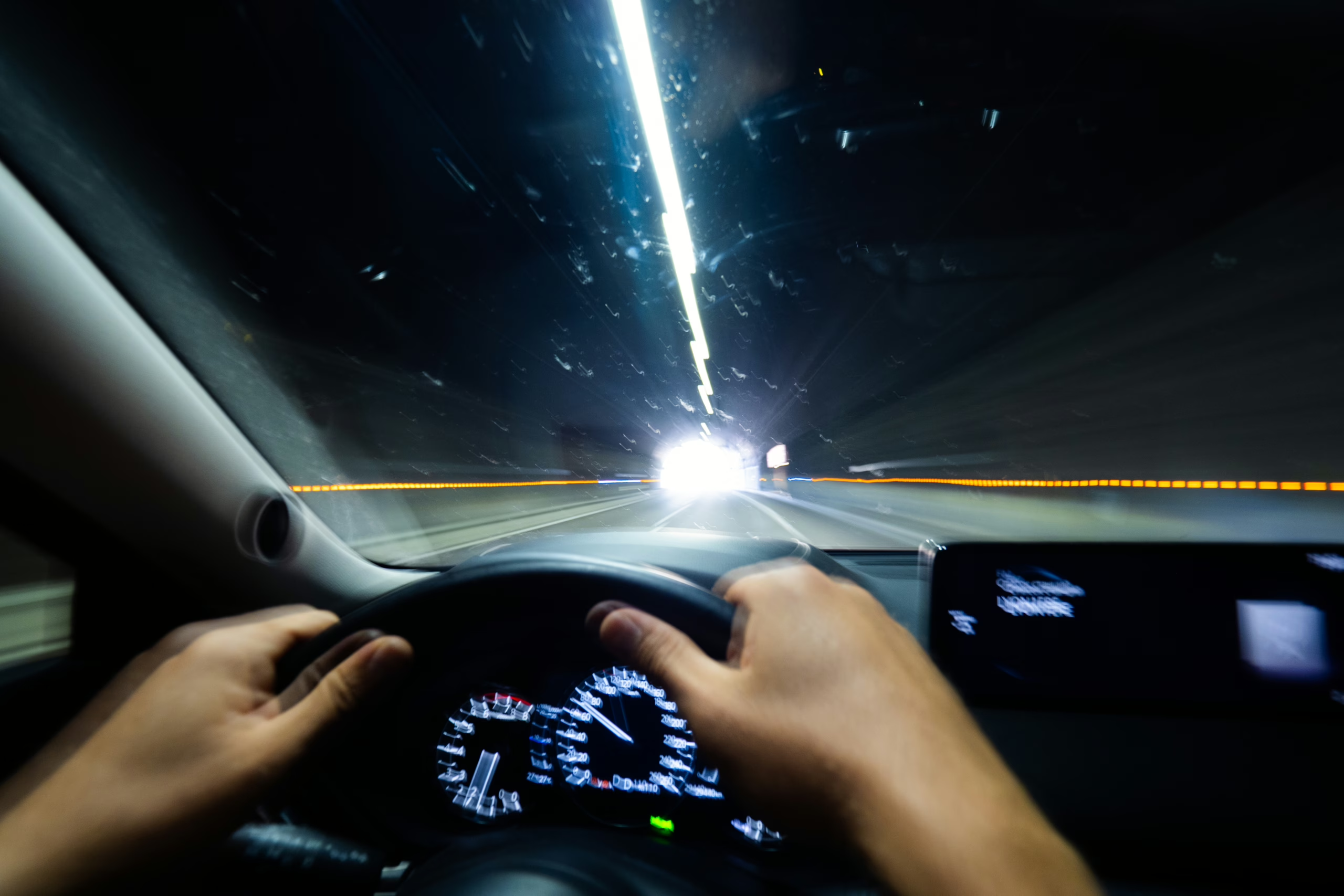
Many people notice vision problems first while driving at night. Headlights seem too bright, road signs are harder to read, and contrast between dark and light areas feels reduced.
This often occurs because cataracts scatter incoming light, making it difficult for the eyes to focus clearly in low-light conditions.
MiVision offers same-week appointments in our Saginaw Office.
Headlights appear glaring or star-shaped
Difficulty judging distance between cars
Trouble reading road signs until very close
Increased anxiety or avoidance of night driving
Fatigue or eye strain after dark
Cataracts (most common)
Glare sensitivity
Reduced contrast sensitivity
Uncorrected vision changes
Cataract surgery (often dramatically improves night driving)
Updated glasses with anti-reflective coating
Addressing coexisting dry eye
Yes. Many people notice cataract symptoms first when driving at night. Cataracts scatter light, making headlights appear brighter and reducing contrast in low-light conditions.
Cloudy lenses from cataracts cause incoming light to scatter instead of focusing cleanly, creating glare, halos, or starburst effects around headlights.
Sometimes, but not always. If cataracts are the underlying cause, glasses often provide limited improvement, especially for glare and contrast issues.
If night driving feels stressful or unsafe, it’s important to have your vision evaluated. Many patients choose to limit night driving until treatment improves their vision.
Dr. Mihlstin and our experienced team offer advanced care, close to home. Call 989-321-2655, book online or contact us below.