
Diabetic Eye
Care
Diabetic Eye
Care
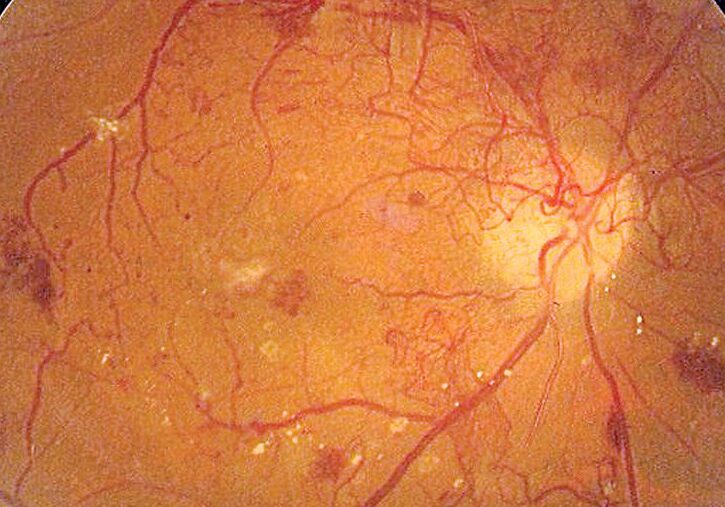
Diabetic Eye Care in Saginaw, MI
If you have diabetes, your eyes need special care. High blood sugar can damage the retina and lead to diabetic retinopathy, one of the leading causes of vision loss. At MiVision, we monitor your eye health closely so we can detect and treat changes early—before they threaten your sight.
Why Annual Exams Protect Your Sight
If you have diabetes, your retina needs careful monitoring. At MiVision, we check for changes in your eye during annual screenings to catch damage early and preserve your vision.
What to Expect During Your Visit
We will dilate your pupils to help Dr. Mihlstin examine the retina closely. If needed, we perform a painless OCT scan to capture detailed images of your macula and detect swelling (macular edema).
What is the Recommended Interval for Diabetic Retinopathy Screening?
The recommended interval for screening depends on if diabetic changes are present or not. If there are no changes, yearly monitoring is recommended. If there are changes monitoring more frequently is recommended. The recommended interval and any diabetic changes will be discussed at your appointment.
Understanding Diabetic Retinopathy Stages
Early Stage (NPDR)
We look for leaks, swelling, or tiny growths in your retina. These can blur vision and affect your central sight. With NPDR:
-
Tiny blood vessels in the retina leak fluid or blood, causing swelling.
-
When swelling affects the macula (the part of the retina responsible for sharp central vision) — the most common cause of vision loss.
-
Blood vessels in the retina can also close off, which reduces blood flow to the macula.
-
Tiny deposits called exudates can form in the retina, further affecting vision.
Advanced Stage (PDR)
We watch for fragile new blood vessels, bleeding, scar tissue, and symptoms that could lead to retinal detachment. With PDR:
-
The retina starts growing new, fragile blood vessels, called neovascularization.
-
These new vessels can bleed into the vitreous (the inside of the eye). A small bleed might cause a few dark floaters, while a larger bleed can block your vision completely.
-
Scar tissue can form from these new vessels, leading to problems with the macula or even cause a detached retina.
PDR is very serious and can threaten both your central and peripheral (side) vision.
Signs You Should Tell Us About Anytime
In the early stages its common to not have any symptoms. However, ss diabetic retinopathy gets worse, you will notice symptoms such as:
- Increasing number of floaters
- Blurry vision
- Vision that changes sometimes from blurry to clear
- Seeing blank or dark areas in your field of vision
- Decreased night vision
- Colors appearing faded or washed out
- Losing vision
Let us know if you experience any of these—especially if they happen in both eyes.
What are the Common Ways that Diabetic Retinopathy is Treated?
Treatment options may include:
- Medical Management: We help you keep your blood sugar and blood pressure in check since this can slow or even reverse early retinal changes.
- Medication Injections: When swelling occurs, we administer anti-VEGF or steroid injections to reduce macular swelling and support clearer vision.
- Laser or Surgical Options: If needed, we offer laser treatment or vitrectomy surgery to remove blood or scar tissue and restore sight.
Ready to Protect Your Vision?
Call MiVision today to schedule your diabetic eye exam—early detection makes a significant difference in preserving your sight.